The art of perfume, the pleasure of choosing Houses · Materials · Destinations
Notes and materials

Fragrance families and notes: learning to describe scent

Explore perfume notes and materials, from flowers to woods, and learn to connect their descriptions with your own olfactory impressions.
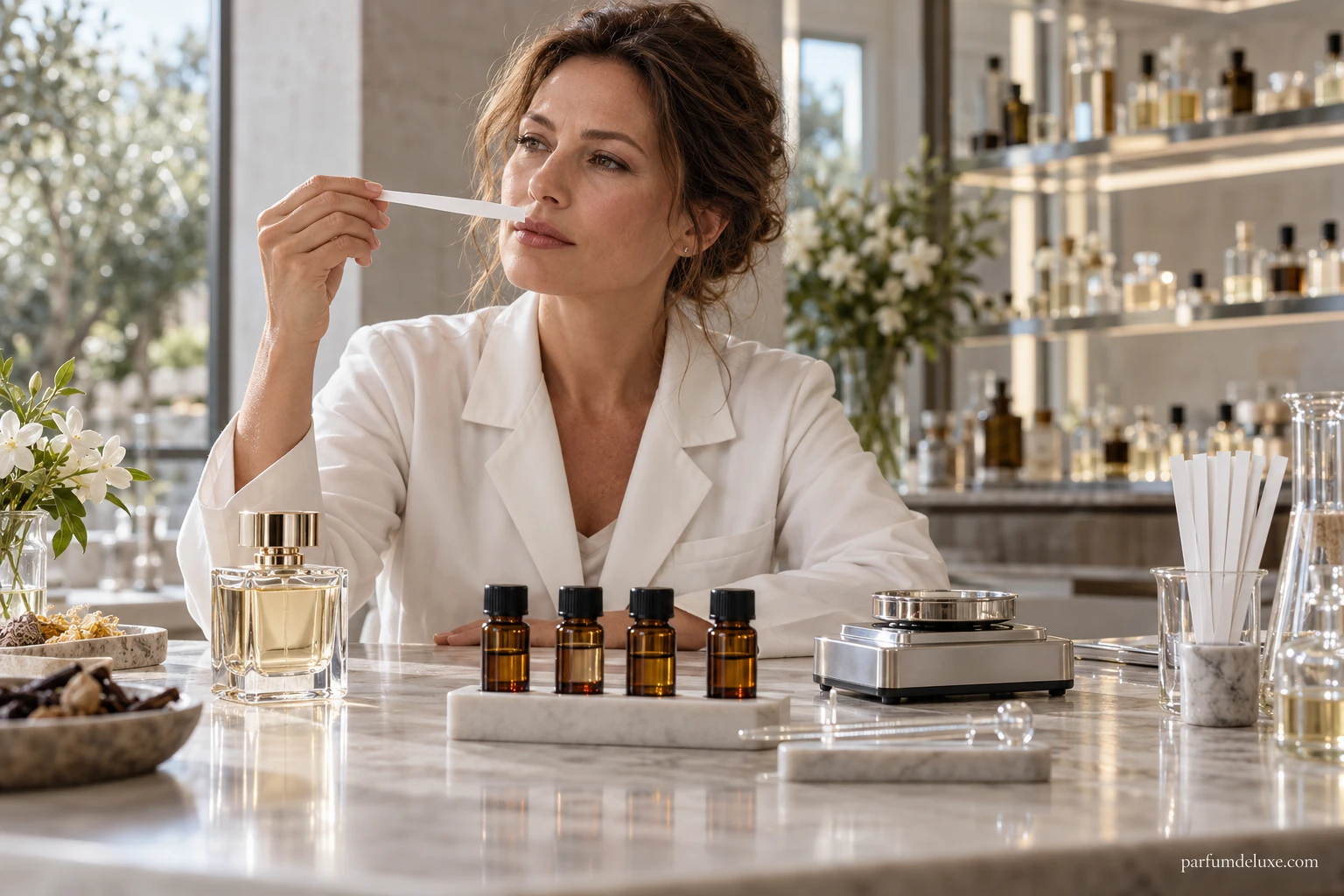
Perfumer evaluating a scent strip among amber laboratory vials.
Editorial illustration from the supplied visuals.

Explore: Notes and materials

Put words to an impression

Rose, iris, vanilla, leather and citrus names help describe what you might perceive. They do not necessarily provide the formula’s ingredient list. This section develops a sensory vocabulary for recognising families, describing texture and comparing fragrances without requiring you to become a technical specialist in every material mentioned by a perfume house.

Understand pairings rather than isolating names

The same note changes character according to its surroundings. These guides follow those relationships from opening to drydown, helping distinguish a central flower from an accent or dry woods from a creamy effect. Use the vocabulary to refine preferences while leaving room for impressions that remain enjoyable even when they are difficult to name precisely.

Materials and constructions for practising scent vocabulary

Diptyque — Eau Rose
A detailed rose accord for observing several facets around one flower.
diptyqueparis.com
Diptyque — Tam Dao
Sandalwood and its partners as an example of woody texture.
hk.diptyqueparis.com
Tom Ford — Tobacco Vanille
A tobacco and vanilla pairing illustrating how two registers interact.
tomfordbeauty.com

Find your next fragrance guide